The Facts
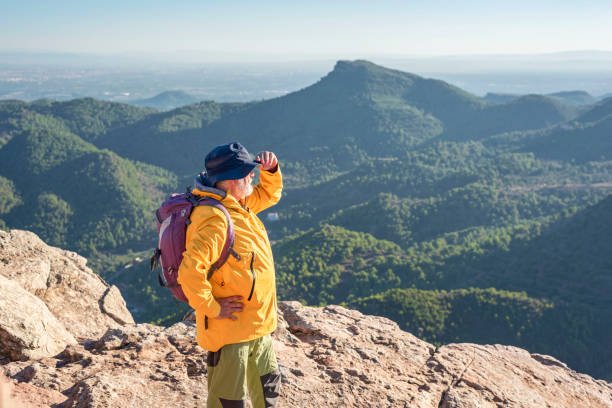
The global solo travel market is projected to grow strongly: for example, the market size was approximately $482 billion in 2024, and is forecast to reach $1.07 trillion by 2030, with an annual growth rate of approximately 14.3% from 2025-2030.
A report shows the “57 years and above” solo travel market segment (older travelers) valued at $ 43.8 million in 2024 and expected to grow at approximately 10.9% through 2030. Grand View Research
For senior (silver, older, 50+) travelers more broadly (not necessarily solo), there are indications that senior travel is growing faster than overall travel in specific markets. For example, in China, the “silver tourism” market (their words) is projected to hit large numbers and is seen as a “[fastest-growing] sector within the silver economy.” China Daily
In an Organisation for Economic Cooperation and Development/World Travel and Tourism Council (OECD/WTTC) report, it was noted that senior travelers are taking up a larger share of the market. tourism-review.com
There are qualitative observations that travel companies are increasingly catering to solo travelers, especially older travelers. For instance: “Boomers and Gen X women in the US and Canada are the fastest-growing demographic over the next 10 years … among these women, 61% say that they prefer to travel solo …” Janet Burt, Managing Director of the Hidden Travel Group Journeywoman
Planning Your First Solo Trip
Solo travel after 40, 50, or even 60 isn’t just a trend — it’s one of the fastest-growing areas in travel today. Many are seeking independence for the first time, others want to try new things, and many wish to cross items off their bucket lists after years of pausing due to family, work, or a thousand other excuses. If you’ve ever found yourself daydreaming about wandering through Paris alone or taking that long-postponed road trip, you’re not alone. Whether you’re married, single, or somewhere in between, this guide has everything you need to plan your first solo trip confidently. Here’s what you’ll find:
- Safety Tips: How to stay secure, what to pack, and apps to use.
- Choosing Destinations: Best places for solo travelers, from Nashville to Japan.
- Packing Essentials: Must-haves for safety, comfort, and convenience.
- Building Confidence: Start small, balance social and solo activities, and embrace the benefits of exploring alone.
Solo travel is about freedom, growth, and creating unforgettable memories, but you need to take the first step. So, if you’ve been thinking about it for years, this is your nudge to finally go. Ready to start? Let’s dive in.

First: Planning a Safe Solo Trip
Safety is the foundation of a great solo trip — especially as we get older. When you feel secure, you can actually relax and enjoy where you are. Here’s how to prepare effectively.
Basic Safety Tips
Start by researching your destination thoroughly. Learn about local customs, common scams, and which areas are safest to visit.
- Search for “destination” safe for travelers? Is the “specific area of hotel, tour, attraction, restaurant, etc. a safe neighborhood? What areas of “destination” are not safe?
- Are taxis in “destination” safe? What are the most common types of crimes against travelers in the “destination”?
- Plan to arrive during daylight hours. Give this serious consideration. Every place looks better in the daylight, and you won’t start your trip with anxiety. Besides, it is much easier to navigate a new area during daylight.
- Before you go, save key contacts — your hotel, local emergency numbers, and the nearest U.S. embassy — in your phone and on paper, just in case. Try apps that share the local emergency numbers like TripWhistle Global SOS, TravelSmart by Allianz, SmartTraveler (by U.S. Department of State), Red Cross Emergency App, Sitata Travel Safe, International SOS Assistance App, among many others.
- Familiarize yourself with local maps and public transportation options. Google Maps has a wonderful Street View, so you can easily recognize your hotel, restaurant, or museum.
- If you have specific medical conditions that might need to be addressed while traveling, research hospitals and doctors in that specialty in the area you are traveling.
- Register your trip with the U.S. State Department’s STEP program for added security (see their app above), or with your country’s foreign service department or embassy.
Remember, safety begins before you leave. Research protects you. The more you know before you go, the less likely you’ll stumble into sketchy areas or tourist traps. Knowledge protects you from the dangers of lack of information or misinformation, unsavory individuals (this always sounds to me like they need salt?), and unsafe areas.
Pack essential safety gear, including:
- A luggage tracker like Apple AirTag, Samsung Galaxy SmartTag, TileMate, or others, especially if you don’t have an iPhone or a Mac.
- An anti-theft daypack: can cross your body on the outside under a jacket or small enough to be under your shirt.
- A door stop for extra hotel room security: Many hotels now only have card readers, not another way to keep a maid or someone with a master card from getting into your room. I know doorstops sound old-school, but trust me — they’re worth the space. When all else fails, lean a chair or something that would be loud enough to startle whoever is trying to get in, against the door.
- A hidden money belt or pouch. I personally hate the belts and find them hard to use. BUT don’t access these in public; go to a corner or into the bathroom to use them.
- Personal safety whistles: they make small ones that give an ear-splitting shriek.
- A basic first aid kit and spare meds. If you carry your medications in your checked bag, always have 2-3 days of spare meds on your person, in your purse, or in your backpack.
After covering safety logistics, make sure you’re prepared medically as well.
Medical Planning and Insurance
Travel insurance is a must. Travel insurance might not sound exciting, but it’s an essential piece of mind. Sure, maybe you skipped it when you backpacked through Europe in your twenties — but things change. So do we. Let’s face it, you were younger (much?) then, had fewer health issues, and less money—basically, you rolled the dice and did not lose. The good news: it’s usually affordable outside North America. For example, in late 2024, a two-week trip to France for a 70-year-old U.S. traveler cost about $350, covering $250,000 in medical evacuation and $25,000 for emergencies.
Many travel sites recommend that U.S. travelers secure at least $250,000 in emergency medical coverage and $500,000 for evacuation. This is mainly because U.S. insurers have a history of refusing to cover, or fighting to cover, all international health costs. Honestly, also because many hospitals in countries outside the U.S. have a history of charging much more than they would charge their own citizens, and the U.S. health industry is usually 4-10 times as expensive.
Be sure to include coverage for pre-existing conditions. Purchase your insurance as soon as you book your trip and compare options on platforms like TravelInsurance.com or others you can research.
Once your medical and safety plans are in place, you can now focus on staying connected throughout your trip.
Using Tech to Stay in Touch
The right apps can make solo travel feel much safer — and a lot less lonely. Here are a few worth downloading before you go.
App Category | Recommended Options | Key Features |
Communication | Free, encrypted, and practically universal outside North America. Everyone from tour guides, hotels, to new friends will ask if you have it. | |
Emergency Help | Voice-activated SOS in 200+ countries (or use those listed above) | |
Navigation | Location sharing with trusted contacts (iPhones and many Android phones have a sharing location ability as well) | |
Personal Safety | Safety device ($39.99) with light, alarm, and location tracking features | |
Translation | Google Translate | Real-time translation capabilities, many others out there as well |
VPN | Country dependent | ExpressVPN and others keep you safer online, especially if you ever use the WIFI in a restaurant, hotel, etc. |
Travel Planner | Great way to keep all your travel plans in order, and in one place. |
Before you go, ALWAYS download and test these apps! This cannot be emphasized enough. For example, in China and other countries, you cannot download or start a VPN. It isn’t allowed. Using one for a traveler is not illegal, but you cannot do this once you’ve landed. Also, you want to be knowledgeable and comfortable using these before you NEED them.
Picking Your First Solo Destination
Choosing your first solo destination is half the adventure — and it sets the tone for everything that follows. I often write about bucket-list travel, but your first solo trip shouldn’t be about checking boxes. It should be about feeling comfortable enough to actually enjoy yourself. Here’s how to pick a place that suits your comfort level and interests.
What to Look For in a First Solo Travel Destination
When you’re choosing your first solo spot, think beyond pretty photos. The best first destinations make you feel secure, confident, and inspired. Here’s what to look for.
Safety first. Look for places known for low crime rates and a stable, welcoming vibe — you’ll relax faster when you don’t have to stay on high alert.
Easy navigation matters. Cities with walkable neighborhoods and dependable public transportation make exploring less stressful.
Language helps. Start somewhere English-friendly or where locals are used to helping travelers — it takes the pressure off.
Good infrastructure counts. Reliable Wi-Fi, clean hospitals, and friendly help desks aren’t glamorous, but they make a world of difference.
And don’t forget fun. Choose destinations that offer both solo time and connection — maybe a food tour, a cooking class, or a day trip with locals.
When you’re just starting, simplicity is your friend. Pick places with direct flights, easy public transport, and accommodations that are central—not necessarily fancy, just practical. Staying somewhere well-located means less time stressing about how to get around and more time enjoying where you are.
Join a few guided activities where you can meet others — don’t rely on hotel recommendations. Many hotels push specific tours for commission, not quality. Do a bit of digging on your own instead — you’ll usually find better options and better company.
These small things — smooth transport, safe areas, a few built-in social moments — can turn your first solo trip from anxious to amazing.


Top Picks for First-Time Solo Travelers
Once you’ve figured out what matters most — safety, comfort, and connection — it’s time to dream a little. These places stand out for their welcoming, easy-to-navigate atmosphere and experiences that make solo travelers feel right at home. Using these criteria, here are some excellent destinations known for their safety, infrastructure, and welcoming environments.
North America
- Nashville, Tennessee: with live music spilling out of nearly every bar and locals who actually stop to chat, Nashville is perfect for first-timers. Downtown Ambassadors make it even easier to find your way, and if you love music, you’ll fit right in.
- Vancouver, British Columbia, combines urban charm with access to beaches and hiking trails. Have a wonderful pedestrian area with bars, restaurants, and activities.
- Key West, Florida, is a tiny, colorful, and endlessly walkable island. Most visitors skip the beaches and hang poolside or watch the sun set from Mallory Square: great food, great people-watching, and an easy pace.
Europe
- Portugal: Friendly, safe, and full of charm. Lisbon’s steep hills can test your calves, but the trams make it easy to get around. Locals are warm, food is terrific, and English is widely understood.
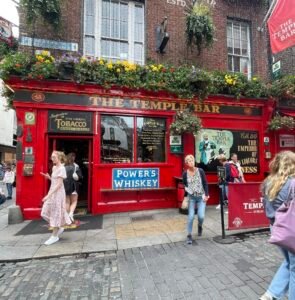
- Dublin, Ireland: Famous for its welcoming locals, rich cultural history, and day trips to anywhere else in the country or Northern Ireland.
- London, England: One of the world’s most visitor-friendly cities. Excellent public transport, a mix of wonderful old and modern architecture, and endless things to do. Whether it’s museums, theater, or quirky markets, you’ll never run out of options.
Asia & Pacific
- Japan: Remarkably clean, organized, and safe. Even if you don’t speak the language, signage and staff are surprisingly helpful. The trains run like clockwork, and it’s easy to explore with confidence. Tokyo is amazing, but don’t skip Kyoto if you love culture or gardens.
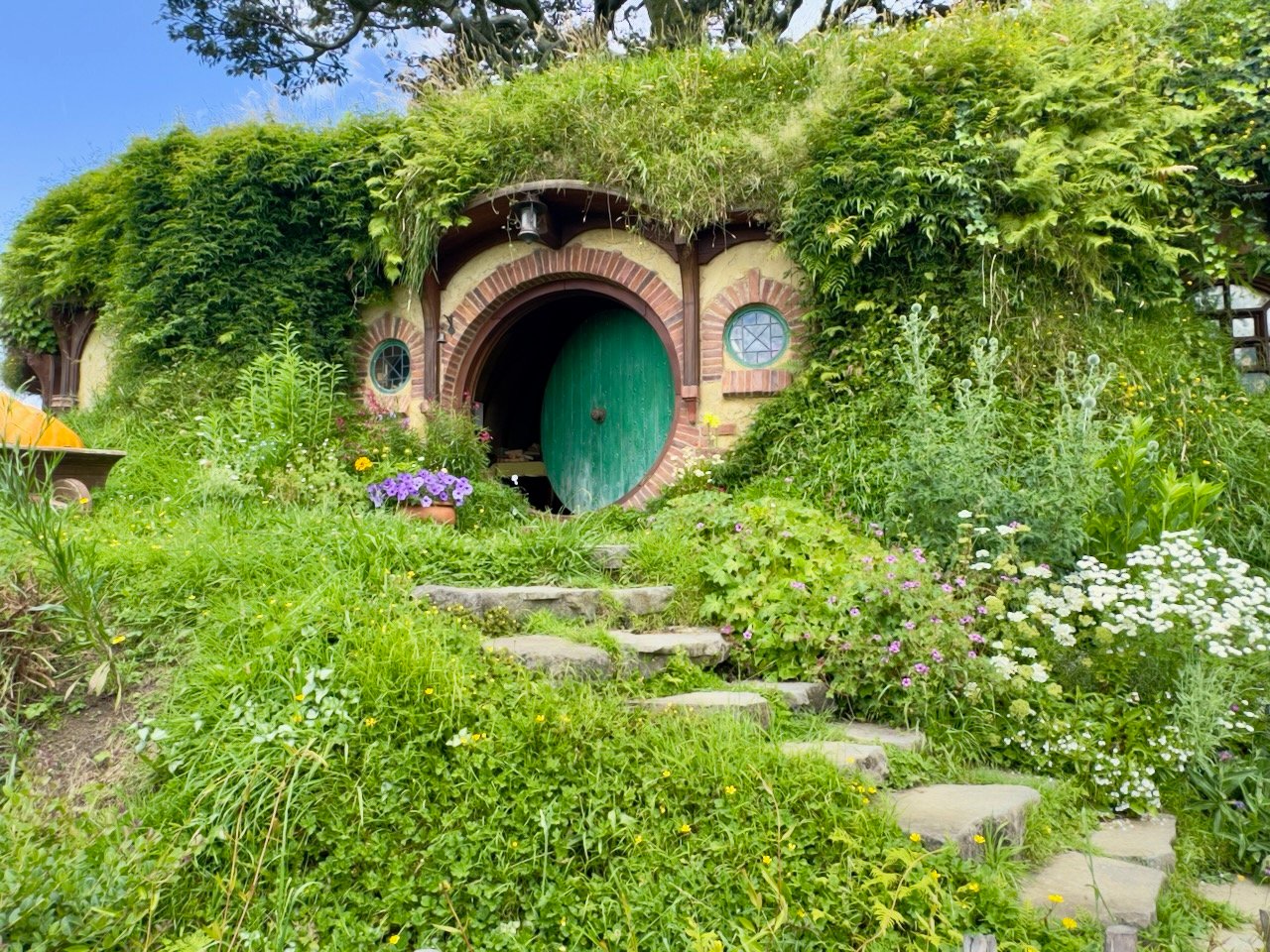
- New Zealand: A dream for nature lovers. Hike mountains, kayak fjords, or drive scenic routes that look like movie sets (you know those movies). Friendly locals and small towns make it feel safe and personal — it’s on my own bucket list too.
For your first solo trip, pick a place where logistics won’t drain your energy. Once you’ve got a smooth, confidence-building experience under your belt, bigger adventures — and maybe more remote ones — will feel completely doable. This approach reduces stress and helps you ease into the experience. Whether you’re drawn to exploring vibrant cities, lounging on beautiful beaches, or trekking through stunning landscapes, there’s a great destination out there for you. You might even explore unique options, such as Antarctic expeditions, where shared cabins can make the adventure more approachable. Be warned, these aren’t cheap.
Beginner Solo Traveler?
I found this video, and I wanted to get a woman over 50’s opinion. Please give it a listen!
What to Pack for Solo Travel
Packing for a solo trip is a bit of an art form — part safety, part comfort, and part knowing you can carry everything yourself. Here’s how to make it easier.
Safety and Security Essentials
Start with safety. It’s the one thing you don’t want to think about once you’re on the road. A recent survey found nearly 70% of women worry about safety when traveling alone — but the right gear helps ease that fear.
Category | Suggested Items | Purpose |
Personal Safety | Personal alarm (120–130 dB), safety whistle, flashlight (see Wander Safe above) | Alert others or signal for help |
Room Security | Door stop alarm, portable door lock | Add extra security to your room |
Valuables Protection | Anti-theft bag, RFID-blocking wallet, portable lockbox or locking cord for luggage or computer | Protect against theft and fraud |
Emergency Prep | First-aid kit, emergency contacts list, insurance cards | Handle medical or urgent issues |
Also, register your trip with your government and share your travel plans with someone you trust. Again, see the STEP program listed above, or contact your country’s foreign office.
Comfort and Convenience Essentials
Pack light and practical. Remember, you will have to carry your luggage A LOT! Up and down stairs is just the beginning. The lighter you travel, the happier you will travel.
- Stick to one or two main colors so everything mixes and matches — no mental energy wasted on outfits.
- Choose breathable, wrinkle-free fabrics, and toss in a light jacket or hoodie for layering.
- Stick to a one or two-color scheme so everything matches without thinking.
- Pack items that work for both casual and formal occasions.
- Look for wrinkle-free fabrics. This is a must. If you plan to do laundry, be sure nothing is dry-clean-only.
- Include layers for changing weather. Hoodies and rain jackets tied around the waist.
- For the long flights, be sure to pack an eye mask, pillow or neck support, and snacks.
Wear heavier clothing during transit to save space in your bag and, importantly, weight, and use packing cubes to stay organized. Don’t forget a reusable water bottle and a compact first-aid kit with any necessary medications.
Accommodations for Solo Travelers
Solo travel is fraught with added expenses at times, but nowhere more than in accommodations. Many tours have a “solo supplement” that is often up to over $1,000!
But fear not, this is where research helps. Look for those tours with small or no solo supplements.
Also, be sure to get all the items you need to make your stay comfortable. If you are like me and travel with medications that need to be refrigerated, look for those hotels/bnbs that have an in-room refrigerator. Often it is a mini-bar, which has usually worked for me. I also search for the words “nois” in the reviews, so I get those that talk about noisy rooms and lots of noise. I also search for clean, dirty, bugs, elevator, safe, and other words over time I’ve found to be important.
Entertainment for Solo Travelers
Downtime happens — in airports, trains, and quiet evenings. Bring a few things that make those moments feel relaxing rather than boring.
- Digital options: Download movies, podcasts, or audiobooks to listen offline.
- Books on the go: Use an e-reader preloaded with your favorite reads.
- Social games: Pack cards, backgammon, or a small chess set to meet new people.
- Personal reflections: Keep a compact journal to jot down your thoughts. Many use phone apps for this.
- Noise-canceling headphones: a must! Great for entertainment, but also necessary to create your own quiet space when there’s a crying baby on the flight, or a barking dog in the hotel neighborhood. I use these in addition to earplugs; sleep is too important.
Packing smart means you’re ready for whatever the day throws at you — without dragging around things you’ll never use. When you can lift your own bag easily, you feel instantly more independent.
Building Solo Travel Skills
Traveling alone can feel like a huge step, but most people are surprised by how naturally they adjust once they begin. Confidence grows with every experience, and there are simple ways to start building that before you even leave home. First, make this your goal: to be confident enough to travel, even if alone. Now start working to make that a reality.
Start Small Before Going Big
Begin by practicing independence close to home. Have lunch on your own, take public transit to a new part of town, or attend a community event solo. Each small step makes the next one feel easier.
You need to get used to being alone in settings where most are paired up or in groups. Once that is accomplished, you’d be surprised how much easier everything else becomes.
On your to-do list:
- Lunch on own in a new restaurant
- Walk different paths to someplace you already know.
- Start using navigation apps and get good at using them.
- Find events locally that interest you and attend on your own. Go ahead, just do it.
- Many others usually look at those things you put off doing until you have someone to accompany you. These are the things you need to conquer flying solo.
How to Handle Solo Time While Traveling
Solo time can be deeply rewarding when you plan for it. A little structure helps you stay grounded and enjoy the vacation experience fully:
Create a Daily Routine
Begin each day with something familiar — maybe your morning coffee at a local café you had a good experience with, or a short walk in an area you’ve already been. Simple routines give your day structure and make it easier to connect with locals. Just avoid over-scheduling; leave space for spontaneity.
Balance social time with solo experiences to keep your trip dynamic:
- Join a cooking class or walking tour — it’s a great way to meet people and take a little piece of the culture home with you.
- Visit museums during quieter hours for peaceful reflection. (Most are closed Mondays or Tuesdays, so check before you go.)
- Choose accommodations with shared spaces — small hotels, B&Bs, or pensions often encourage friendly conversation.
- Look up local events before your trip. Festivals, art walks, or outdoor concerts can offer unexpected highlights. (That’s how I once stumbled into a monthly drone light show in Chongqing, China.)
- Creating a rhythm between solitude and connection makes your solo travel experience both rich and balanced.
Combining routines with a mix of activities can help create a rewarding solo travel experience.
Benefits of Independent Travel
Traveling solo strengthens confidence, self-reliance, and perspective. And honestly — ask anyone who’s ever traveled with the wrong companion, and you’ll probably meet a lifelong advocate for solo travel.
Key rewards include:
- Setting your own pace without compromise
- Connecting more deeply with local culture
- Improving your problem-solving skills through real-world challenges
- Enjoying space for reflection and personal growth
Balance is key. Limiting social media helps you stay present, but scheduled check-ins with friends or family keep you grounded. Many travelers also use social platforms simply to share updates and reassure loved ones.
If being completely alone ever feels daunting, try a small-group tour. It blends independence with support — and you might walk away with new friends.




Conclusion: Take Your First Solo Trip
Solo travel is one of the most rewarding ways to see the world — and yourself — with fresh eyes. Booking.com reports that solo travel has grown from 17% to 30% in recent years, driven not just by necessity, but by choice.
Taking that first leap can be life-changing. Confidence doesn’t arrive all at once; it grows with every decision you make on your own.
Quick recap before you go:
• Start with local or weekend getaways.
• Budget for accommodations, meals, and transportation.
• Buy travel insurance and keep key medications handy.
These small, practical steps build the foundation for a safe and enjoyable journey. Remember, solo travel doesn’t mean being alone — joining group tours or online communities can help you meet like-minded travelers and share experiences.
The world is waiting — go explore it, on your own terms.